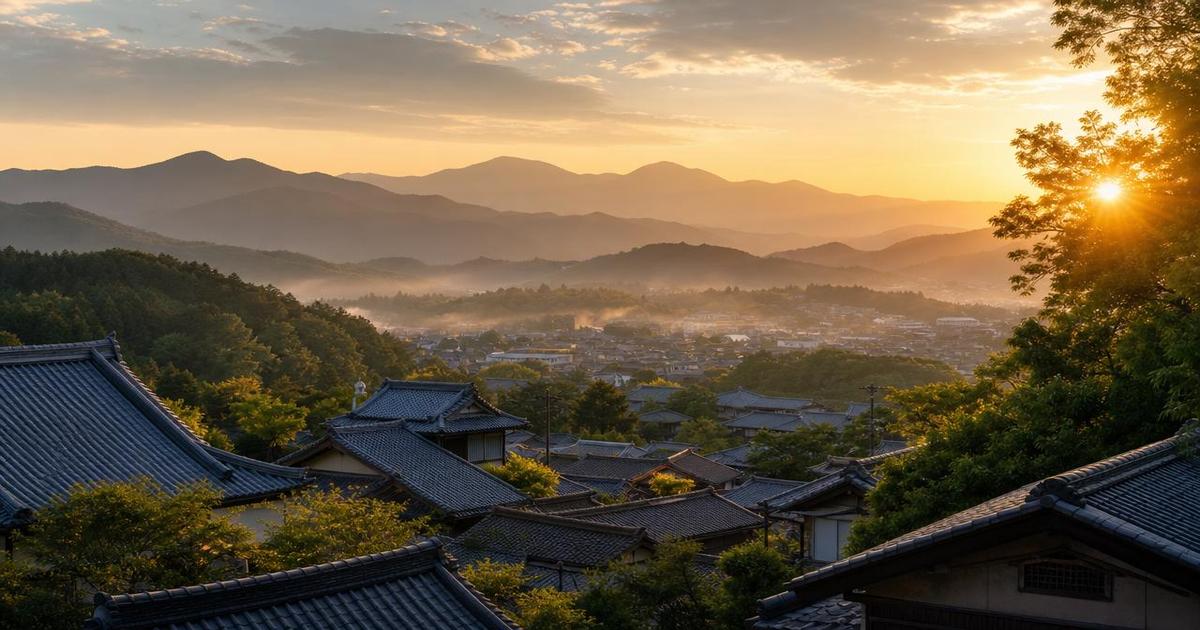
If you've been planning a trip to Japan, you may have noticed that travel looks a little different in 2026. New visitor policies, reservation systems at popular attractions, and initiatives designed to spread tourism beyond the country's busiest cities are changing how people experience Japan. Rather than making travel more difficult, these changes are encouraging visitors to discover quieter neighborhoods,
lesser-known regions, and a slower pace that many travelers have been seeking all along.
Understanding the latest Japan tourism changes 2026 will help you plan a smoother itinerary while giving you the opportunity to experience a side of the country that has often existed beyond the most photographed landmarks.
Why Japan Is Changing the Way It Welcomes Visitors
Japan has enjoyed record-breaking international tourism in recent years. While the renewed interest has brought economic benefits to many communities, it has also placed increasing pressure on destinations like Kyoto, Mount Fuji, Osaka, and parts of Tokyo.
Crowded streets, overflowing public transportation, and the strain on historic neighborhoods have encouraged local governments to rethink how tourism can remain sustainable without diminishing the visitor experience.
Rather than limiting tourism altogether, many municipalities are focusing on better distribution. Visitors are being encouraged to travel beyond the
traditional Golden Route, helping smaller towns, regional cities, and rural communities benefit from international tourism while preserving the character of heavily visited destinations.
The result is a more balanced approach that benefits both travelers and residents.
Reservation Systems Are Becoming More Common
One of the most noticeable changes for travelers is the growing use of advance reservations at popular attractions.
Several cultural sites, museums, gardens, and seasonal events now encourage or require visitors to reserve time slots in advance. These systems help reduce overcrowding while creating a more relaxed experience once visitors arrive.
Instead of standing in long queues or navigating packed pathways, travelers can often enjoy attractions with fewer crowds and more time to appreciate their surroundings.
Planning ahead has become less about restriction and more about improving the overall experience.
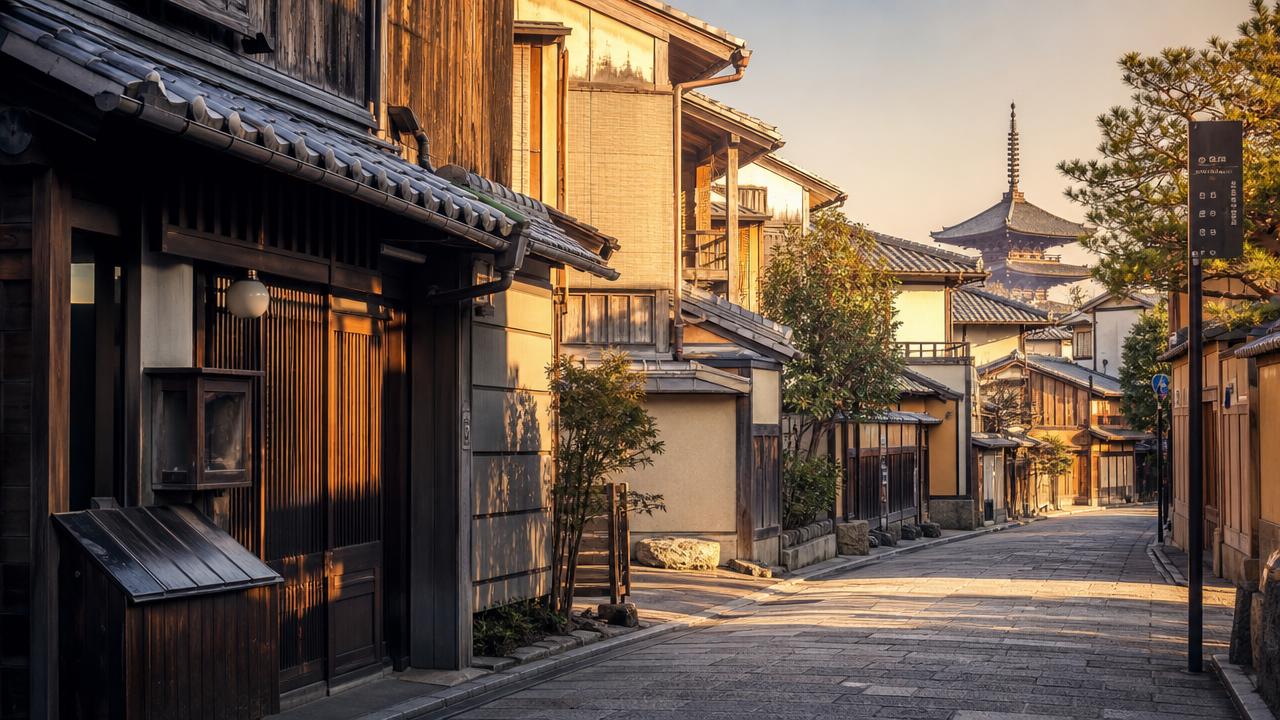
Looking Beyond the Golden Route
For decades, many first-time visitors followed a familiar itinerary connecting Tokyo, Kyoto, and Osaka. While these cities remain remarkable destinations, Japan's tourism strategy increasingly highlights places that have long been overlooked.
Historic castle towns, coastal fishing villages, mountain communities, and regional cultural centers are receiving greater attention through tourism campaigns and improved transportation.
These destinations often offer a slower rhythm, locally owned accommodations, traditional cuisine, and opportunities to connect with regional customs that feel deeply personal.
For travelers willing to venture beyond the country's busiest hubs, 2026 presents more possibilities than ever before.
Technology Is Making Travel Simpler
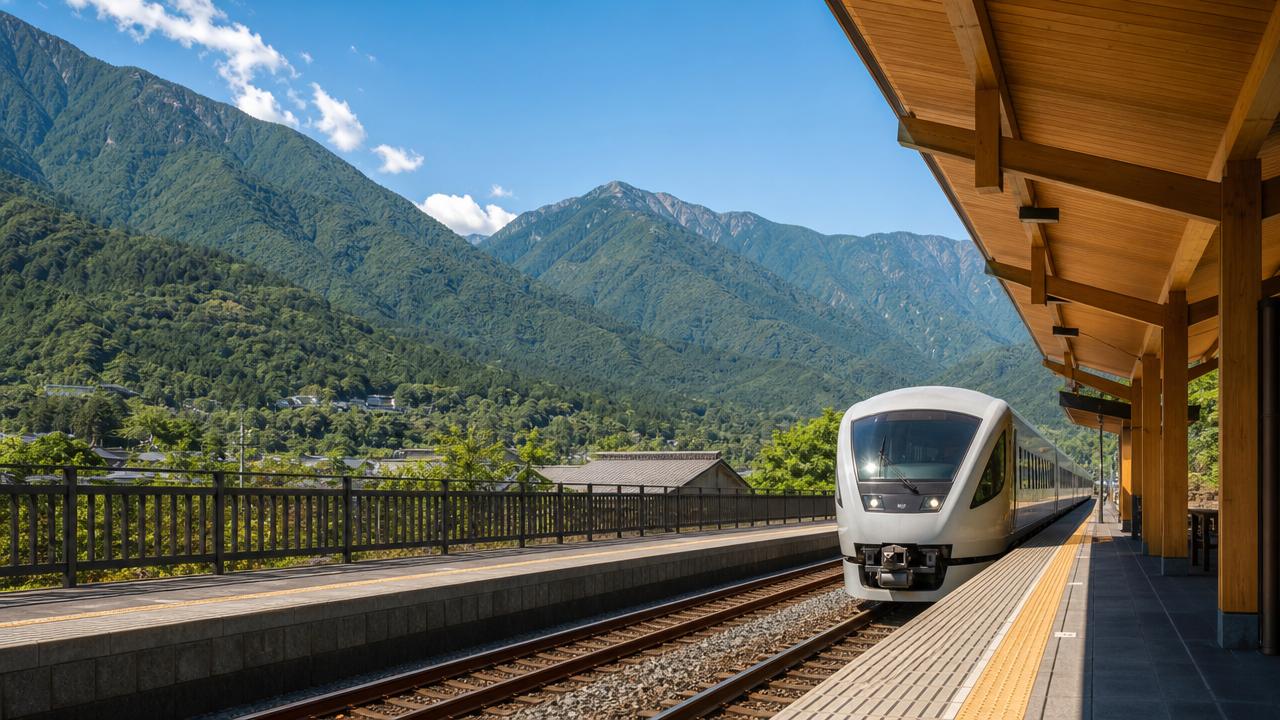
Many of Japan's latest tourism initiatives also focus on improving convenience.
Digital ticketing, multilingual information, cashless payment systems, and improved visitor resources continue to expand across transportation networks and attractions.
Regional destinations that once felt intimidating for international visitors are becoming increasingly accessible thanks to improved navigation tools and translated services.
Rather than changing the character of Japan, these technologies quietly remove barriers, allowing visitors to spend less time solving logistics and more time enjoying the journey.
Responsible Tourism Is Becoming Part of the Experience
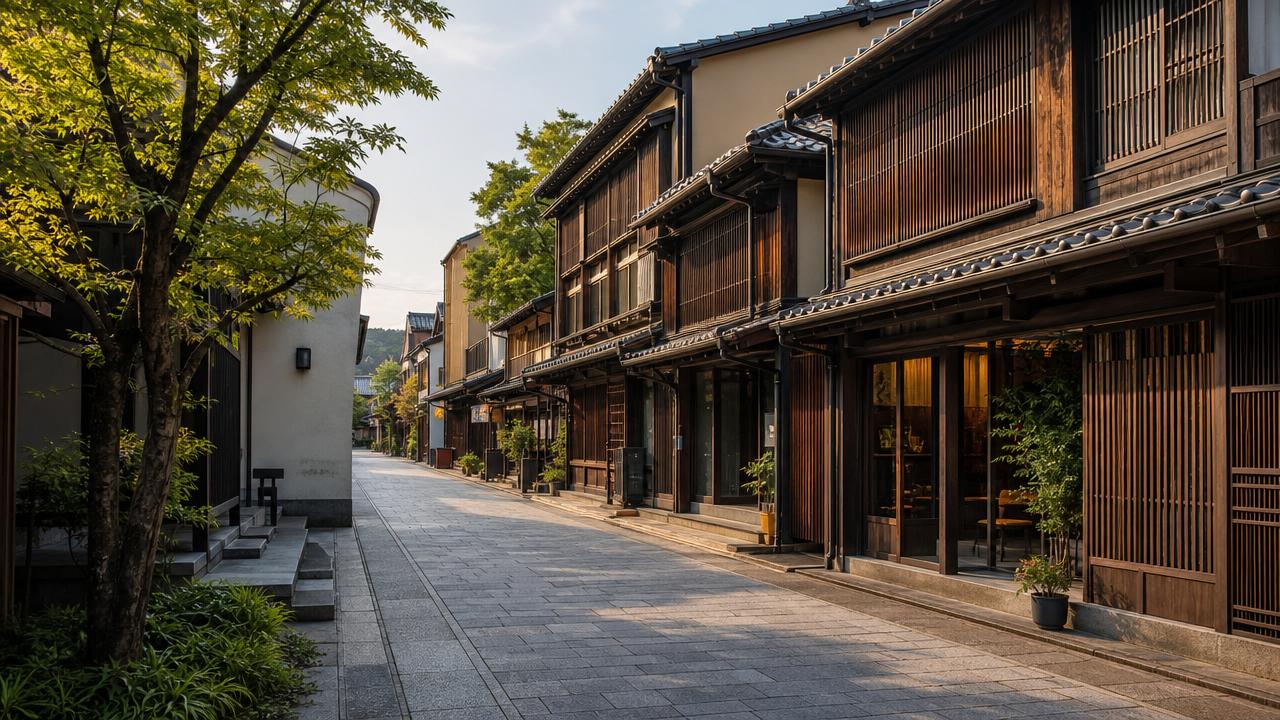
Visitors are also being encouraged to travel more thoughtfully.
Simple practices such as respecting photography rules, staying on designated trails, supporting locally owned businesses, and visiting during quieter seasons contribute to preserving the places that make Japan unique.
Many communities now emphasize
cultural etiquette alongside sightseeing recommendations, helping travelers understand local customs before they arrive.
These efforts are not intended to discourage tourism. Instead, they help ensure that meaningful travel remains possible for generations to come.
What These Changes Mean for Your Next Trip
Although new reservation systems and visitor initiatives may require a little more planning, they also create opportunities for richer experiences.
Travelers who remain flexible often discover neighborhoods that receive fewer tour groups, regional cuisine unavailable in major cities, and accommodations where hospitality feels deeply personal.
Instead of rushing between famous landmarks, many visitors are beginning to appreciate Japan through slower mornings, scenic train journeys, conversations with local shop owners, and destinations that rarely appear on the front page of guidebooks.
In many ways, the evolution of tourism is encouraging travelers to experience Japan much as it has always invited them to: patiently, respectfully, and with curiosity.
Frequently Asked Questions
Are there new travel restrictions for Japan in 2026?
Japan remains open to international visitors, although some destinations now use reservation systems or visitor management measures to improve the travel experience.
Should I book attractions in advance?
For popular museums, cultural landmarks, and seasonal events, booking ahead is increasingly recommended and sometimes required.
Is it still worth visiting Kyoto and Tokyo?
Is Japan encouraging travel outside major cities?
Yes. National and local tourism initiatives continue to promote regional destinations to reduce congestion and support local communities.
Final Thoughts
Japan's tourism changes in 2026 are less about limiting travel and more about improving it. By encouraging thoughtful planning, supporting regional destinations, and protecting cultural heritage, the country is creating opportunities for visitors to experience Japan in a more meaningful way.
Those willing to slow down may discover that the most memorable moments are no longer found only at famous landmarks, but in the quiet streets, local traditions, and welcoming communities that have always been part of Japan's story.
